

129 doctors, nurses and PAs told us about their longevity stack

Special thanks to our friends at Velocity Health, who have made this post free to all users as part of sponsoring Second Opinion.

Velocity Health is concierge precision medicine for leaders: physician-led, data-driven, and built around your unique biology. We combine advanced diagnostics (DEXA, CAC, VO₂ max, deep labs), continuous coaching, and evidence-guided therapies to extend healthspan, not just manage numbers. Start with a Precision Review and get your personal game plan.
Clinicians may not call themselves biohackers, but a growing number now act like them. While they prescribe evidence-based basics to their patients, many are quietly running sophisticated, personalized experiments on themselves. We surveyed 129 of them to find out what they’re actually doing, and the results reveal a quiet revolution unfolding in the group chats of top medical professionals.
Some are cautious. Some are full-stack experimenters. But most are somewhere in between, layering basics with emerging options, testing and adjusting as they go. From our data, a clear picture emerged. We found that these clinicians don’t fall on a simple spectrum; they cluster into four distinct tribes:
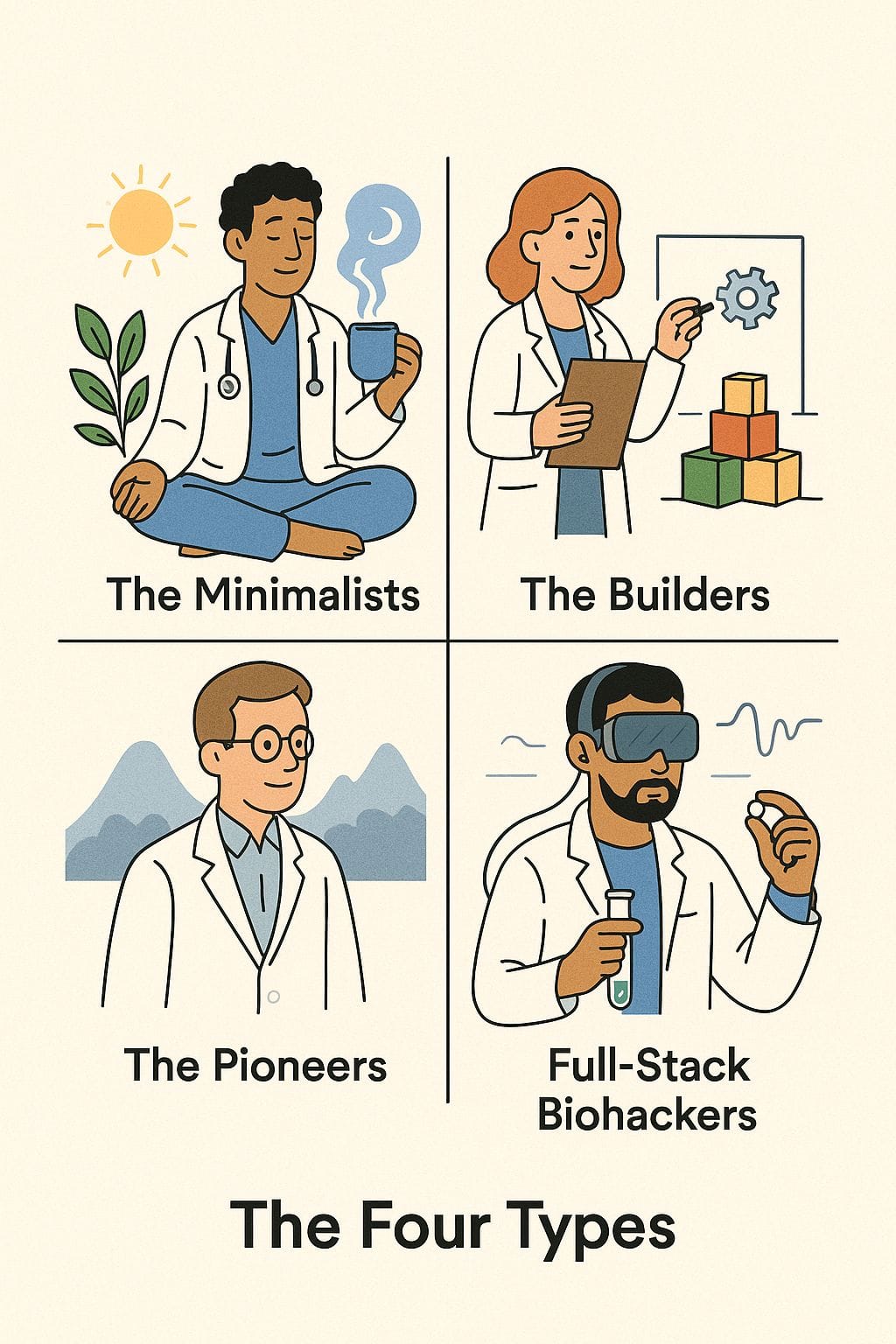
The Minimalists (18%): They stick to a few high-conviction basics.
The Builders (45%): They have a core regimen of evidence-based supplements and lifestyle habits.
The Pioneers (26%): They methodically experiment with off-label drugs and more advanced diagnostics.
The Full-Stack Biohackers (11%): They run comprehensive, multi-modal optimization protocols with aggressive testing and often injectable medications.
The question isn’t whether health optimization is happening amongst clinicians. It’s what shape it’s taking, and how far the envelope is getting pushed. Throughout this piece, we’ll explore not just what these clinicians are doing, but how their behaviors differ across these groups—offering a blueprint for where preventative health is heading.
We’re treating this as a directional snapshot of informed early-adopter behavior - especially because early clinician behaviors often predict what higher-income consumers will do next.
Surveys suggest more than half of American adults take at least one supplement, but their value is far less clear. Some are useful, many aren’t, and the aisle blends real medical advice with passing fads. In that sense, supplements mirror the health movement itself: messy, commercialized, and sometimes contradictory.
And for many, supplements are just the beginning. Attempts to optimize longevity now often include prescription drugs used off-label: metformin, GLP-1s, GH-analogues, rapamycin, hormones, peptides. These have solid evidence in their intended use cases, but sometimes less agreement about their value, or safety, for otherwise healthy people.
When it comes to optimizing health, the choices aren’t always clear. Some interventions are well supported, others are still unproven, and the line between the two shifts constantly as new research emerges. To see how medical professionals navigate this landscape, we surveyed doctors, nurses, PAs, and others - clinicians who are often at the cutting edge of health optimization - about what they personally do. We’ll acknowledge upfront that we did primarily hear back from integrative medicine and primary care doctors, who may be more inclined to longevity interventions. In terms of demographics, the respondents were more diverse.
A critical caveat: this isn’t a representative sample of all clinicians, nor was it intended to be. We specifically wanted to understand what longevity-interested clinicians are doing, not what the average doctor does. The clinicians who follow us and chose to spend ~15 minutes answering detailed questions about their personal optimization routines are more engaged with this topic than their colleagues. That selection bias is exactly the point.
For Second Opinion (sponsored by Velocity Health), we surveyed clinicians (doctors, nurses and other medical professionals) anonymously to ask them about their personal longevity stack. We surveyed them for two weeks in July of 2025. The entire survey can be seen below in the appendix.
So let’s dive in.
Methodology
We shared a voluntary survey through our newsletter and friend networks for clinicians. 129 people responded to 32 questions about their adoption of supplements and medicines; hormones and peptides; lifestyle changes; testing regimens; wearable use; and prescribing practices and attitudes towards aspects of the current longevity craze.
Who responded
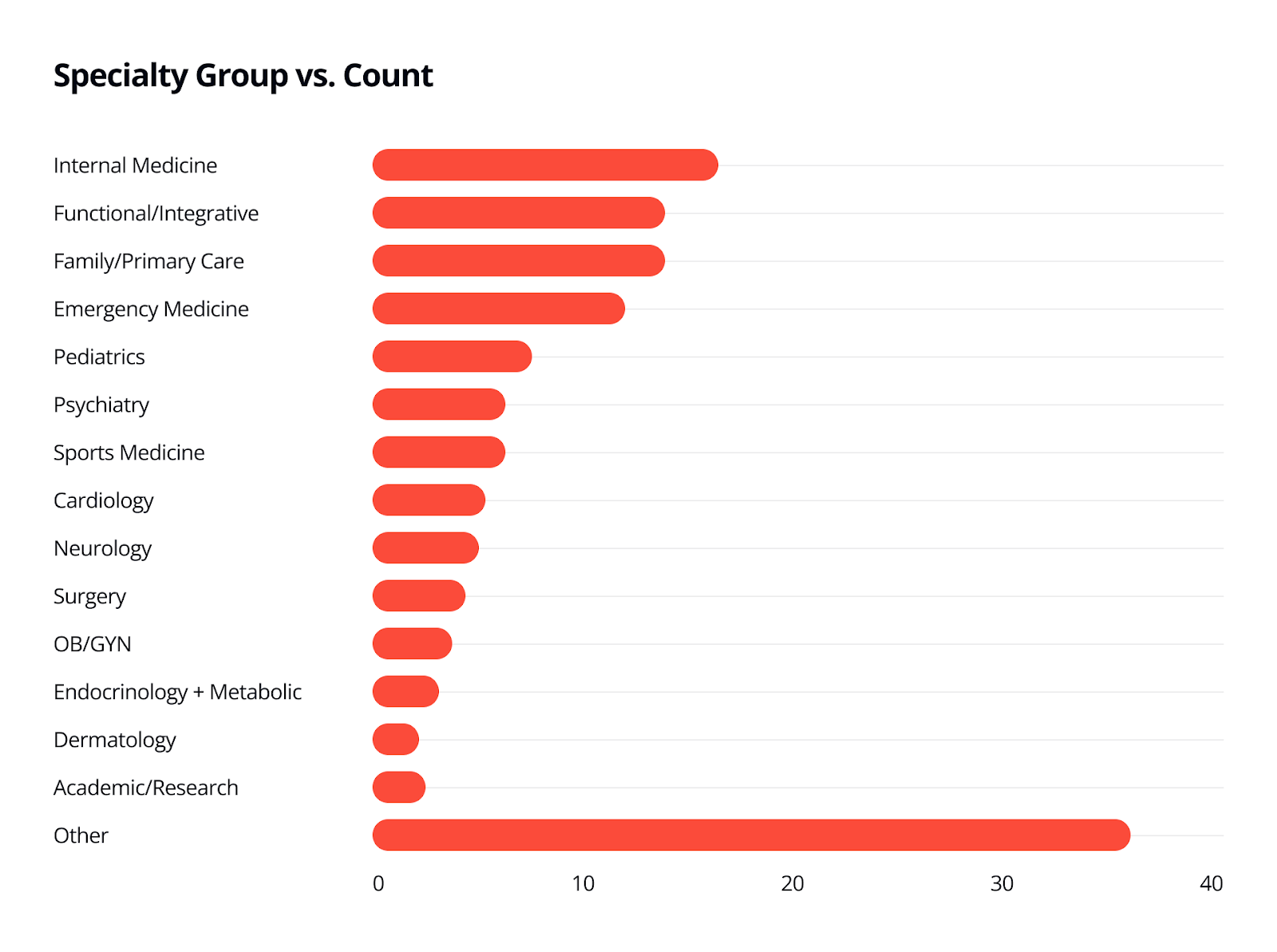
More men than women responded. Respondents were ~83% physicians, ~7% NPs/PAs, and ~10% research/other. Age skewed mid‑career: ~63% were 30–49, ~21% were 50–59, and ~14% were 60+. Primary‑care‑oriented specialties were the largest clinical group. So keep in mind this audience is likely more open to longevity than you might see amongst, say, surgeons or radiologists. That said, some of the longevity super-adopters were actually surgeons!
What we learned
Doctors are pulling multiple levers, but they start with the obvious things first.
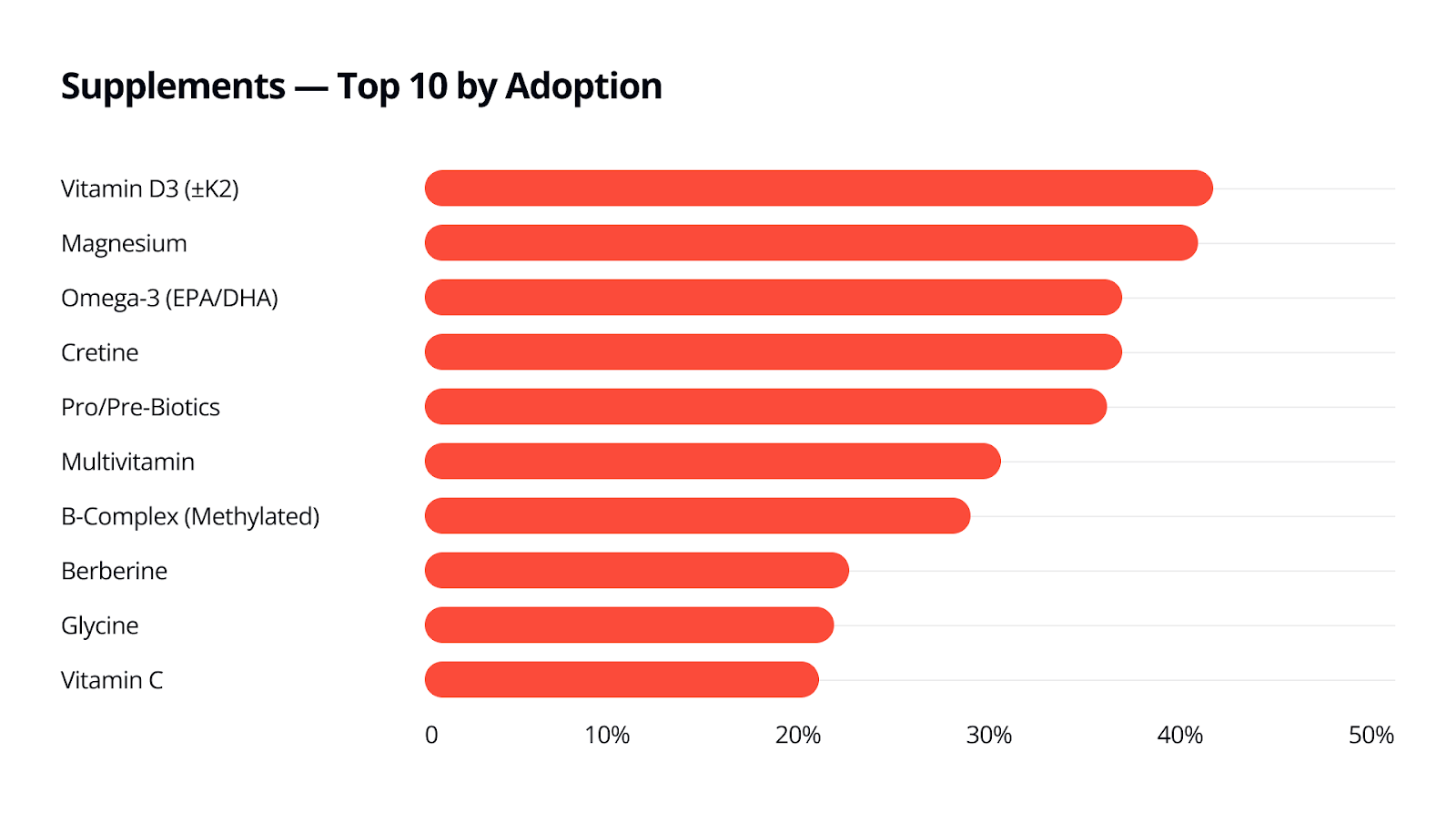
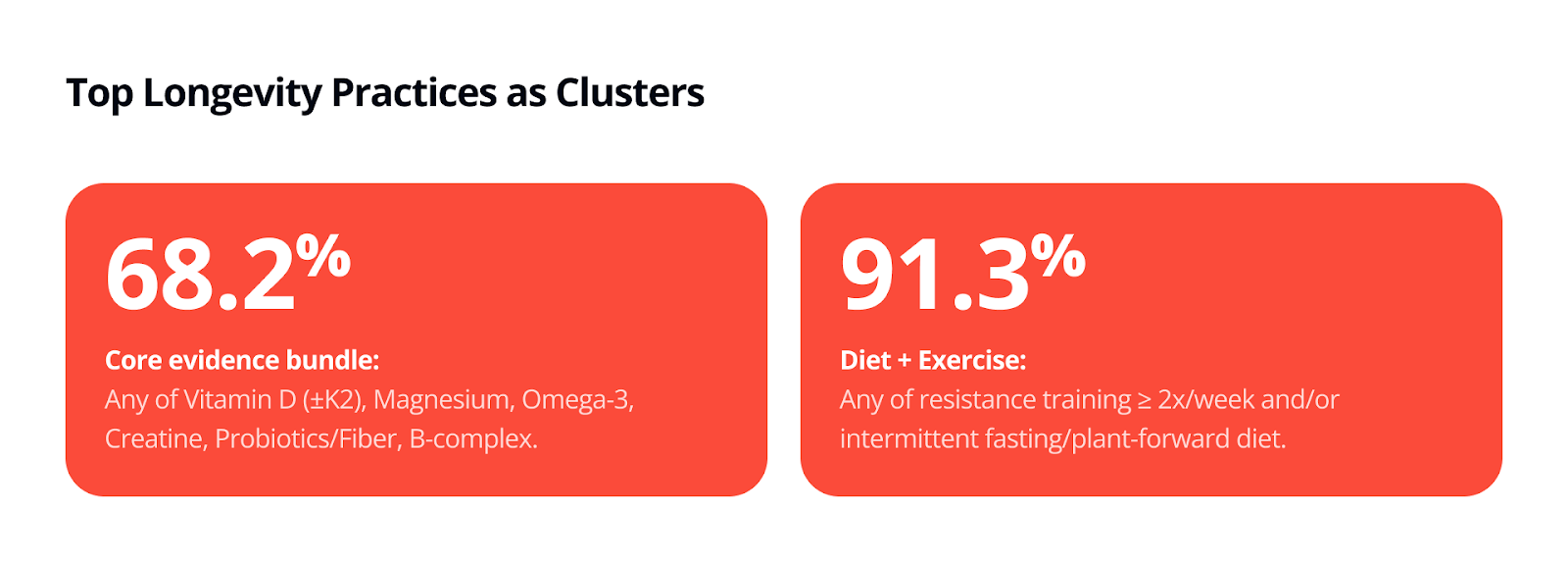
By and large, the most common longevity interventions are the evidence-based lifestyle practices, managing their diet and exercising, and taking evidence-based supplements (like Vitamin D, Omega-3s, etc). A lesson worth repeating: start with evidence-based interventions first. Even among medical experts, consensus is narrower than you might guess. Only a handful of items approach the halfway mark in this sample: vitamin D3 ± K2 (44%), magnesium (43%), creatine and omega‑3s (38% each), probiotics/fiber (37%), and a multivitamin (31%). The median personal ‘stack’ is seven items. Total stack size creeps up with age (about 6% per decade), but variability within age bands dominates more: there are light and heavy adopters at every age.
The medical experts we spoke to didn’t seem overly concerned about the use of supplements that have a low risk profile, but they did warn about limited data about the long-term benefits.
“Supplements like magnesium have been talked about in the last couple of years, and there don’t seem to be any deleterious side effects,” said Dr. Disha Narang, an endocrinologist and obesity medicine specialist. “However it can potentially overboard in terms of spend and pill burden.” Dr. Nisha Patel, an internal medicine physician, noted that her own feelings are evolving on longevity but she’s consistently skeptical of claims that are “too good to be true.”
Likewise, every physician we spoke to agreed: Medicines are not a substitute for diet, exercise, and good sleep according to this population. This puts an interesting check on product-market fit: If your offering and message don’t layer neatly on top of diet and exercise, you’re asking people to skip steps they consider foundational. Adoption resistance may follow.
Many doctors are waiting for more evidence on emerging therapies
Attitudes towards optimizing longevity via medicine are widely distributed. In terms of overall sentiment towards longevity, while there is a subset of very enthusiastic clinicians, more than 50% of doctors remain neutral/skeptical and interested in seeing more data before updating their opinions. By far, the most enthusiastic clinicians are in the 50 to 59 age bracket, which is not surprising as it’s a time of life where it makes sense to ask questions about how to live healthier for longer.
How do leaders in the space actually make decisions on what approaches to pursue? Dr. Sandeep Palakodeti, founder and CEO of Velocity Health, explained their approach: "The question assumes a uniform threshold for intervention, but in real life, risk stratification and risk tolerance are far more useful frames. We don't use blanket cutoffs, but instead combine plausible mechanisms, robust real-world results across thousands of patients, clean safety signals, and matching intervention intensity to patient preference and risk profile."
Dugal Bain-Kim, co-founder and CEO of Lifeforce, described similar discipline: "Every biomarker, pharmaceutical, supplement, and lifestyle strategy we offer goes through formal review against multiple dimensions. We only introduce therapies when strong, peer-reviewed clinical evidence shows real, measurable benefit and a sound safety profile. The truth is, 40-50% of what people spend money on in this space wouldn't meet that bar." He offered a personal example: "For me right now, rapamycin doesn't clear that bar; microdosed GLP-1s do—primarily for brain protection given my family history."
More speculative or experimental optimizations are only taken by a subset of clinicians
Providers tend to focus on evidence-based interventions first, but many are also layering on more experimental approaches.
The order of adoption appears to be something like:
Diet, exercise, and lifestyle management
High-evidence/low risk supplements such as Vitamin D, magnesium, omega-3s, creatine
High-evidence medicines (e.g., lipid management)
More speculative therapies (e.g., hormone optimization, peptides)
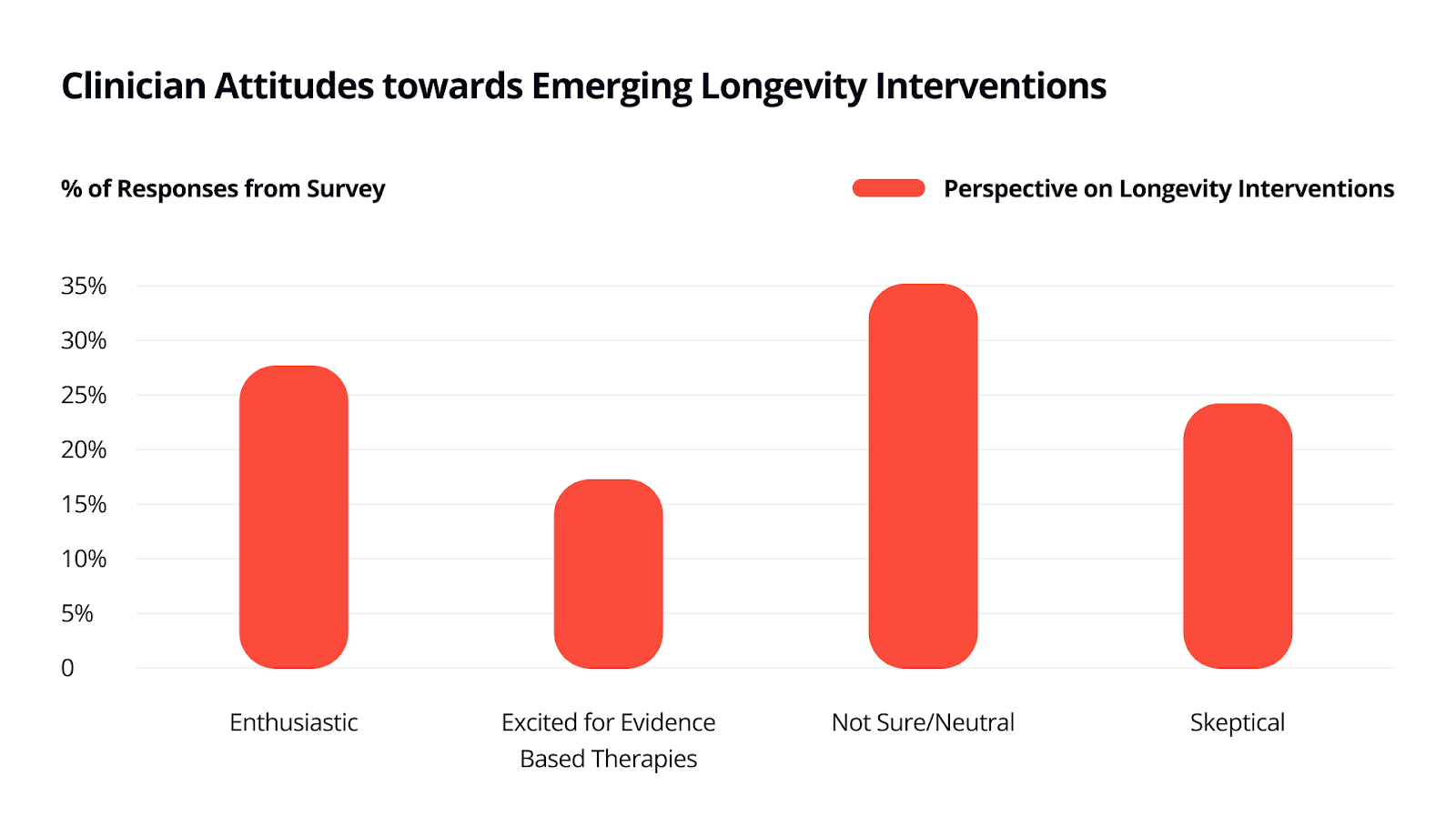
It’s worth noting that longevity is somewhat of a loaded term, and we noticed in the responses that not everyone viewed it the same way. But let’s take it to mean: An approach that prioritizes healthy life span, and not just managing disease. The path to getting there might vary widely. A physician who claims to be skeptical about longevity might be skeptical about the whole thing, or just aspects of it. For instance, they might only be skeptical about the companies that push supplements on patients that aren’t medically indicated.
Clinicians making active prescriptions for longevity is still limited
Again, how providers feel about longevity for themselves may differ from attitudes towards their patients engaging in the trend. Only about 25% of the clinicians who responded prescribed any kind of medication for longevity for their patients, despite a larger percentage of clinicians being poly-optimizers themselves. The vast majority said they would prefer some kind of lifestyle intervention first.
Those same respondents felt more inclined to wellness interventions for themselves. In terms of what the clinicians take themselves, most of the respondents take at least a few. The highest number, in one individual’s case, was over 50. The supplements that were the most popular amongst the clinicians included magnesium, a high quality multivitamin, creatine, Omega-3s, probiotics, and Vitamin D. Other supplement use was fairly scattered with red yeast rice or bergamot (both supporting healthy cholesterol levels) were on the higher side, taken by 12% of respondents.
It’s worth pointing out that supplementation may not be necessary for a lot of people. And some may come with a risk of side effects. There’s growing concern in the medical community that more than 15 million Americans are taking supplements that may be harmful to the liver. Some supplements have a higher safety profile than others, but it’s sometimes hard to discern because of the lack of regulation.
We also delved into hormone and lipid optimization, which are linked to the growing trend around metabolic health. Among hormone optimizers, 63% use a single agent (most often thyroid or estradiol—and likely for conventional indications), while 37% use multiple hormones. The stack sizes between these two groups diverge: those on a single hormone take a median of 12 supplements; those on multiple, a median of 18.
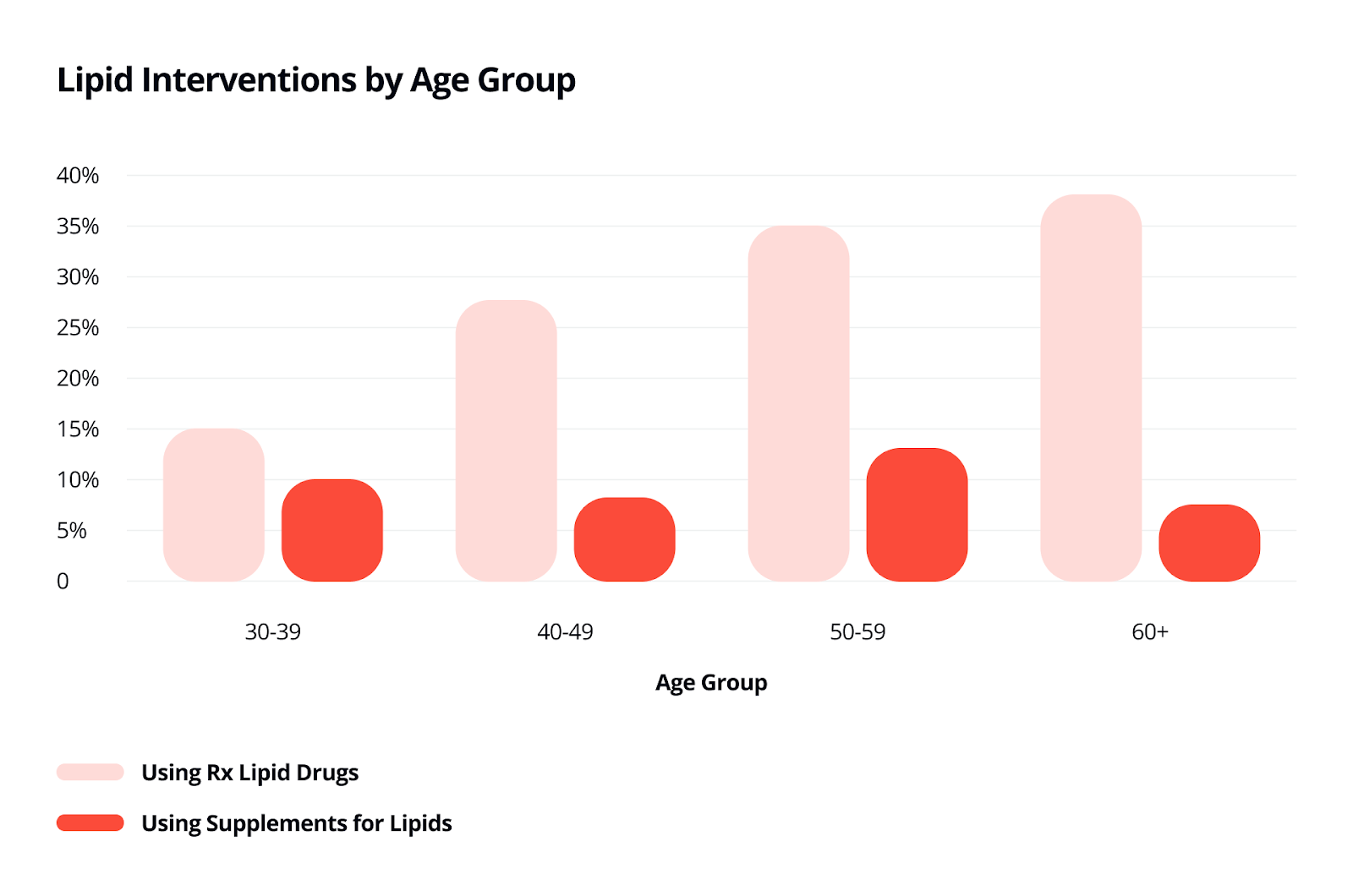
Use of lipid-lowering therapy—a treatment known to reduce unhealthy blood lipids (cholesterol and triglycerides)—steadily increased with age. 15% of respondents in their 30s shared that they were trying it out, versus nearly 40% in the 60+ age group. Overall lipid optimization via any intervention topped out at around 40% to 45% in the older cohorts. There is a growing body of evidence around medical lipid-regulating therapy, and many health systems are now offering specialized treatment programs.
Another area of inquiry that intrigued us: What supplements are clinicians taking together? Are there any links?
A φ‑coefficient scan across the 15 most‑frequent supplements produced a short list of pairs with moderately strong co‑adoption (φ ≥ 0.40):
• Vitamin D3 ± K2 + Magnesium (φ ≈ 0.50)
• Vitamin D3 ± K2 + Omega‑3 (φ ≈ 0.40)
• Magnesium + Omega‑3 (φ ≈ 0.49)
• Magnesium + B‑complex (φ ≈ 0.44)
In plain English, core micronutrients, like Vitamin D3, K2 and Magnesium, tend to cluster, suggesting clinicians treat them as a metabolic fundamentals bundle rather than one‑off add‑ins. If you search “Vitamin D3, K2 and Magnesium” there are a lot of threads with discussion about how K2 helps Vitamin D3 and Magnesium get better absorbed. So that might also explain why they’re so often used together.
These bundles represent not just biological synergy, but potential product bundling strategies. Clinicians are already co-purchasing these items, even if no one’s sold them that way. When it comes to emerging therapies, people with expendable capital often follow provider trends by 18-24 months.
What else tends to significantly run together?
- GLP‑1 users: 75% practice intermittent fasting vs 38% of non‑users (p = 0.008, φ = 0.25).
- Ever had a CAC scan: 54% are on a statin vs 18% who haven’t (p < 0.001, φ = 0.32).
- Peptide users: 33% report cold‑plunge vs 10% of non‑users (p = 0.015, φ = 0.23).
Testing
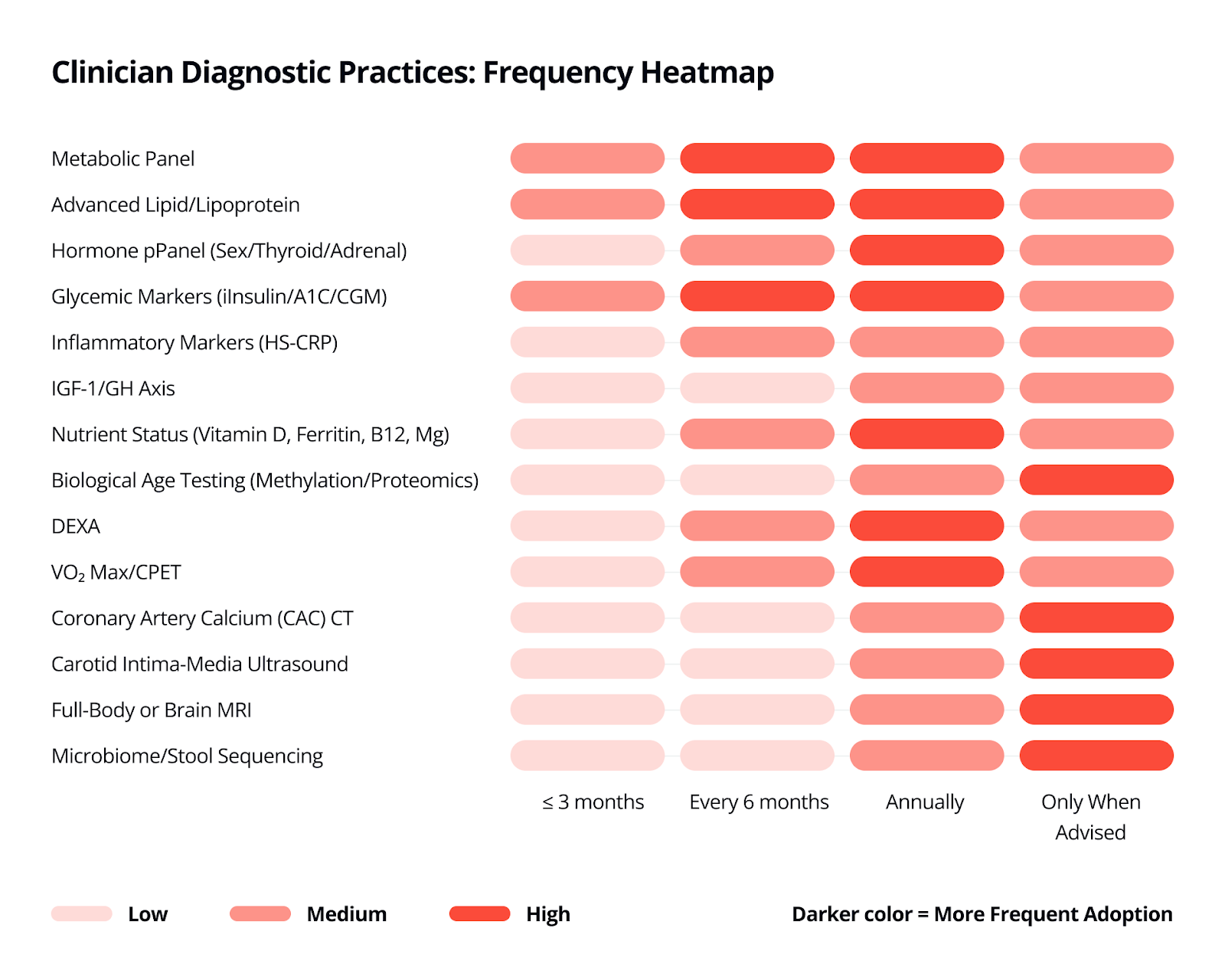
We also asked our respondents about the kinds of tests they get. Broadly speaking, they get their lipid and glycemic profiles done every 6 to 12 months, with inflammatory markers and hormones being the most commonly-tested biomarkers. Those that monitor their behavior more regularly with tests tended also to be the ones most interested in longevity interventions. Also, we uncovered that the more things the individual takes - whether prescription medications or supplements - the more likely they are to test regularly. We refer to the cohort most obsessed with this space as the Full-Stack Biohackers, and they don’t fly blind. They test aggressively, and they increase the volume as they age. Those who do test their lipid and glycemic profiles, inflammatory markers and hormones most commonly do so every 6 to 12 months.
Those who self report to rely on diet and exercise alone are testing the least. That makes a lot of sense. People who are taking very few supplements and believe they’re doing the right thing are the least interested in monitoring labs.
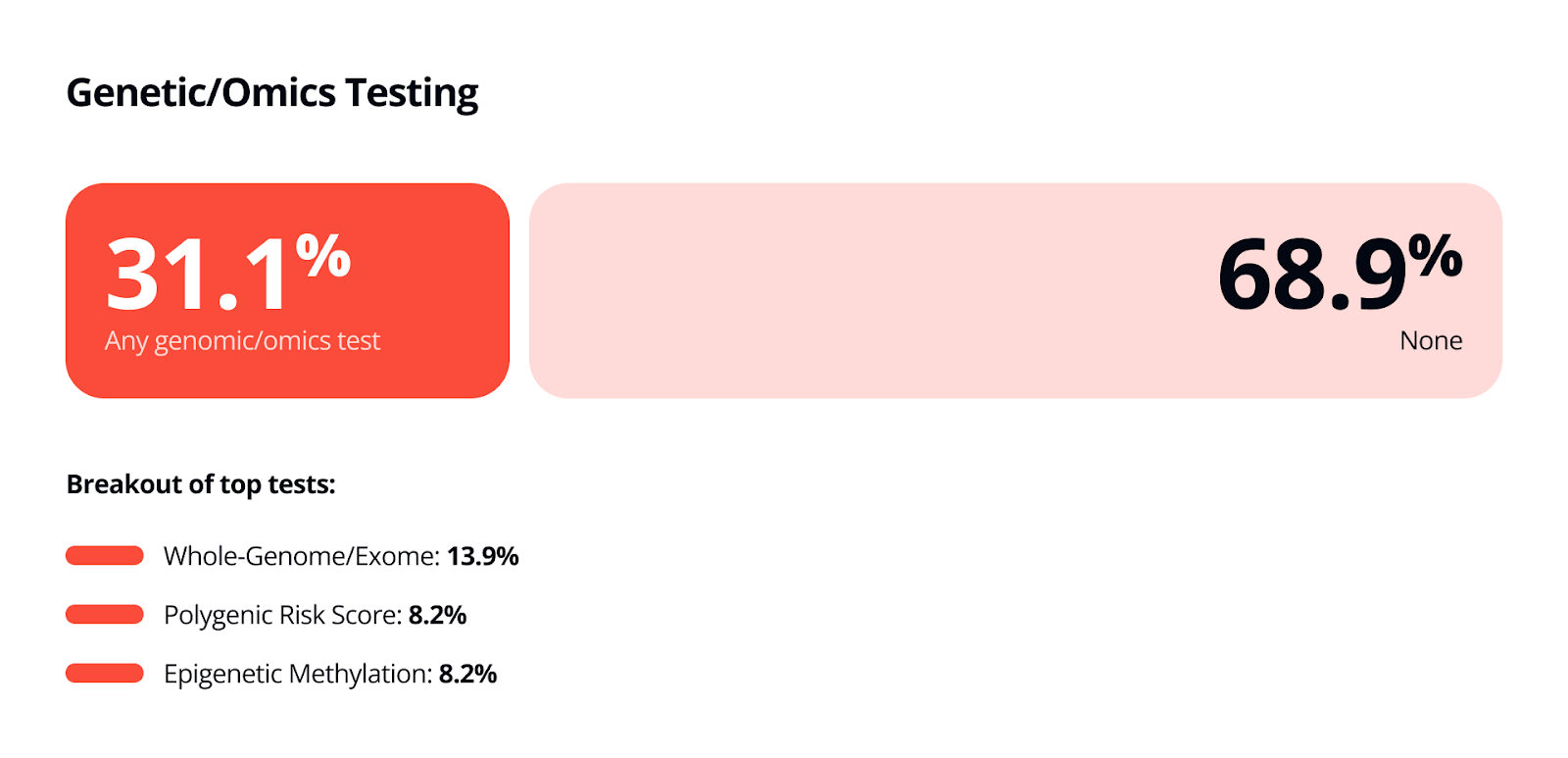
We threw in a question about genetic testing and we were somewhat surprised to see how few respondents were getting any sequencing done. Whole genome sequencing was the most commonly-performed test, despite it having amongst the biggest price tags of all the tests listed. One factor could be the lack of immediately actionable insights, although that is rapidly starting to change. Notably, clinicians don’t appear to be fans of 23andMe or related ancestry-focused tests with less than 1% opting in.
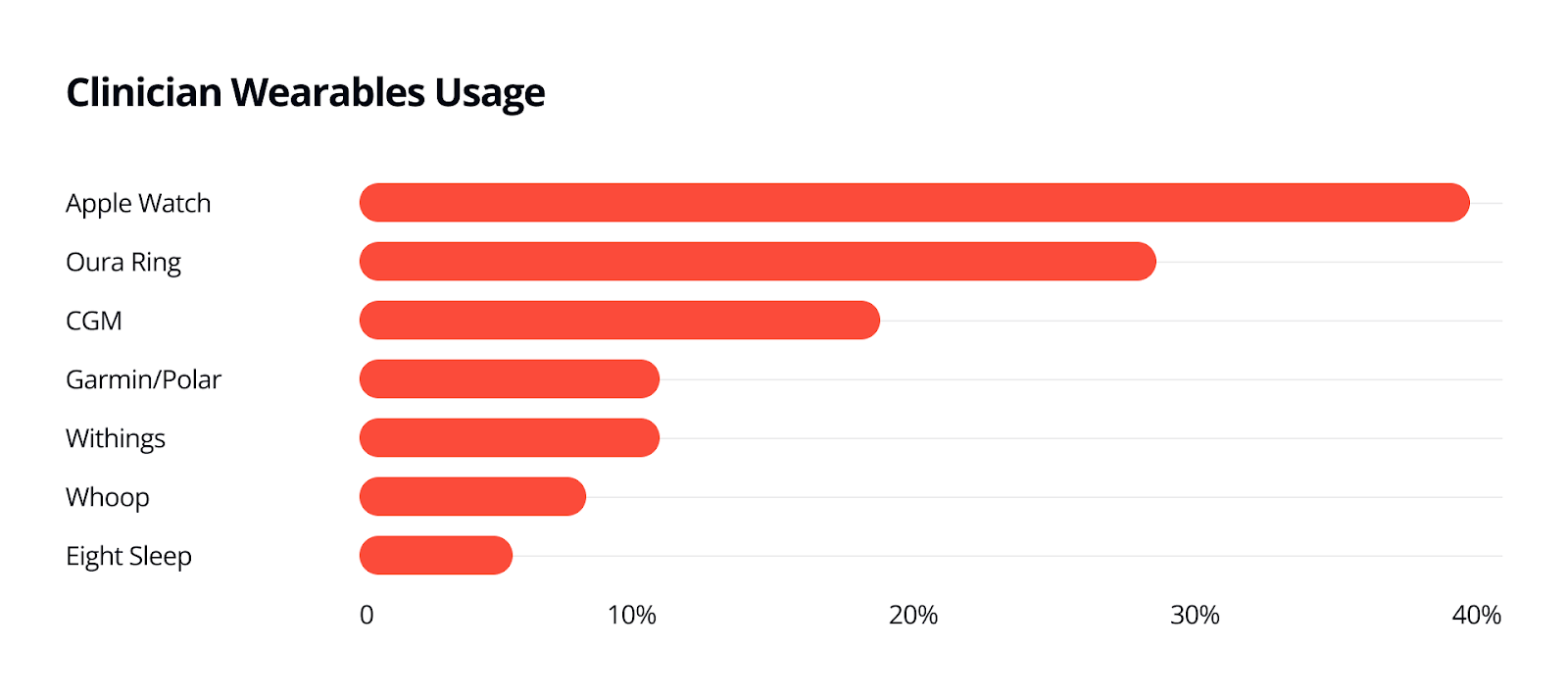
When it comes to wearables, the respondents seemed to generally perceive them as favorable. The most adopted wearable amongst clinicians shouldn’t be surprising - it’s the Apple Watch, which is currently one of the most commonly used. Oura was the second most popular choice, which stood out to us. It could be that the company seems to be actively working to recruit physicians, most recently appointing a chief medical officer from Apple Health: Dr. Ricky Bloomfield. 77% of the respondents reported using at least one wearable, which was higher than we expected. About 43% of consumers in the general population own a wearable, per recent studies.
Recovery practices
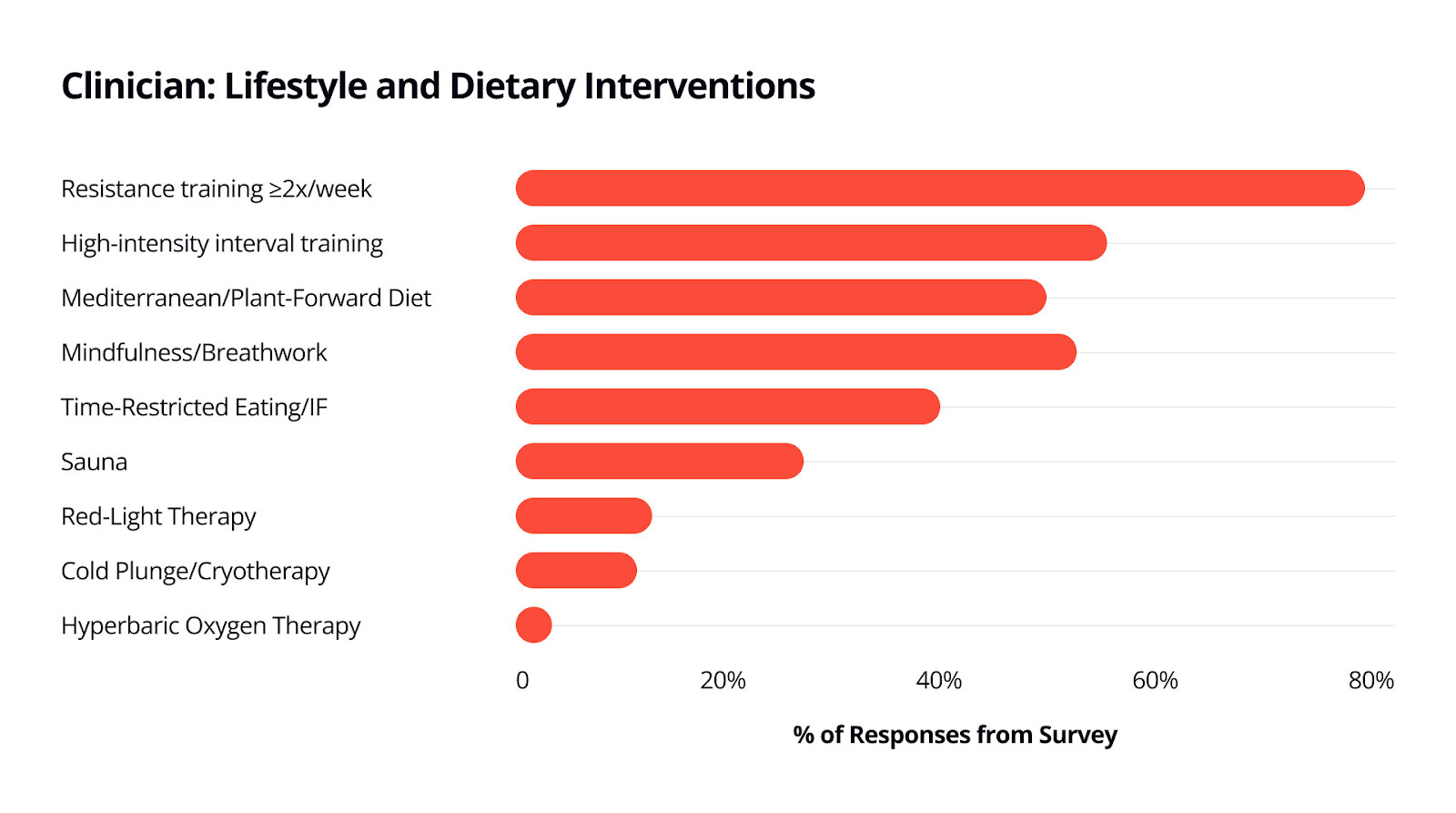
Cold plunges? How about fasting? Or resistance training? Recovery practices are big amongst the group, with some far more popular than others. The most popular involved exercise, including resistance training and high intensity interval training, followed by meditation or breathwork. Both of these practices are steeped in evidence. Performance scientist, writer, and elite endurance athlete Brady Holmer believes the foundation goes deeper than just doing the right things: "The single most impactful habit is optimizing the timing of nutrition and movement within a 24-hour cycle. While diet and exercise are non-negotiable, their effects are amplified or diminished based on when they occur." His prescription: "Eating, exercising, and sleeping at nearly the same time every single day. We thrive on regularity."
Higher intensity workouts, followed by periods of rest, are good for the heart and the brain. Also popular with the respondents: Spa-based interventions, like cold plunges and red light therapy. How about diet and nutrition? Mediterranean diets that prioritize leafy greens and vegetables plus lean proteins (including seafood) ranked highest. About half of the respondents noted they followed plant-forward diets, but less than 1% were vegan.
Optimization Behavior
Some of the respondents were far more into longevity than others. We worked hard in the data to find clusters and cutpoints to define the clinician personas mentioned above. Here’s what we found:
1) Minimalists — ~18%
Essence: Keep risk low and signal high; a few well‑supported interventions, little testing.
Inclusion rule (mutually exclusive):
- Total stack size ≤ 3 across all sections, and
- No peptides/GLP‑1s, no off‑label longevity meds (metformin, rapamycin, acarbose, SGLT‑2i), and
- Diagnostic frequency mostly “annual” or “never,” ≤ 1 wearable.
2) The Builders — ~45%
Essence: Build around the canon—core micronutrients, diet, training—plus routine labs, little to no experimental therapy.
Inclusion rule:
- Total stack size 4–11, and
- No peptides/GLP‑1s and no off‑label non‑lipid meds (metformin, rapamycin, acarbose, SGLT‑2i),
- Diagnostics ≤ annual, wearables OK.
3) The Pioneers — ~26%
Essence: Add selective pharmacology or deeper testing to a moderate stack; push beyond foundations with intention, not maximalism.
Inclusion rule:
- At least one of: any peptide/GLP‑1 or any off‑label non‑lipid med or heavy testing (≥ 7 distinct diagnostics/yr or ≥ 1 test at ≤ 3‑month cadence), and
- Total stack size < 12 (to stay short of the maximalists).
4) Full‑Stack Biohackers — ~11%
Essence: High‑intensity, multi‑modal portfolios that mix peptides/GLP‑1s, off‑label meds, and frequent diagnostics.
Inclusion rule:
- Total stack size ≥ 12, or peptides/GLP‑1s plus heavy testing (as defined above), or two or more off‑label non‑lipid meds; typically multiple wearables.
Advanced versus Basic Interventions
- Advanced interventions include things like rapamycin, GLP-1s, testosterone, growth hormone analogs, and newer biologics.
- Basic interventions include Vitamin D, creatine, magnesium, probiotics, and omega-3s—things with strong safety data.
Our biggest takeaways after analyzing these respondent types:
Most clinicians start with the basic lifestyle interventions that they recommend to their own patients (good diet, exercise)
The Builders build around evidence-based supplements with very safe risk profiles (vitamin D, magnesium, vitamin B, omega-3s, creatine)
Once users start moving beyond supplements into medicines, they tend to pile up multiple interventions
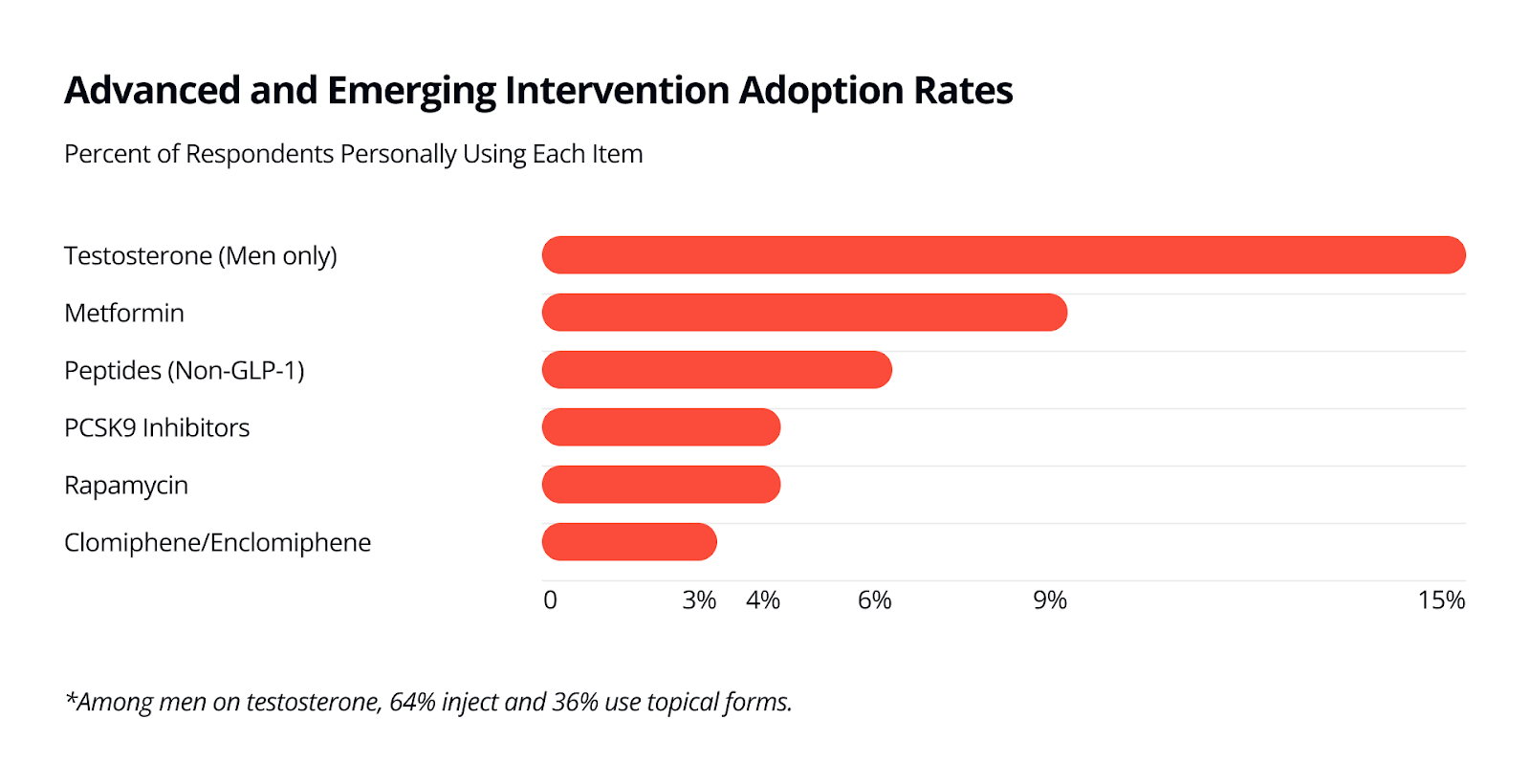
Advanced interventions are almost exclusively used by Full-Stack Biohackers, who stack well-tested options with emerging pharmacologic tools
Bottom line: Advanced or less-established interventions—such as GLP‑1s, rapamycin, or peptide therapies—are virtually never used in isolation. Instead, they appear in the context of deeply engaged, multi-layered self-optimization regimens.
We think that the stacking pattern here isn’t just behavior. It’s part of a go-to-market blueprint. Emerging therapeutics are far more likely to be adopted by people already using lower-risk interventions. Amongst clinicians, the 37% of poly-optimizers (our combined Pioneers and Full-Stack Biohackers) also represent potential medical advisors and key opinion leaders that health plans increasingly demand for validation.
What does adoption of the more “advanced” interventions look like?
The Playbook: What This Data Means
Clinician behavior is a 12-24 month leading indicator for the high-end discretionary health market. Based on this data, here’s part of the playbook for the next phase of the longevity economy:
For Founders & Builders:
Stacking is the GTM Strategy: Advanced therapies like GLP-1s or rapamycin are almost never adopted (beyond their conventional medical uses) in isolation. Your target customer is the Pioneer or Full-Stack Biohacker who is already taking 7+ other interventions. Your product must integrate with, not replace, their existing stack.
Dr. Palakodeti sees this stacking behavior as validation of a platform approach: "Health optimization is a systems game, not a single intervention play. The breakaway organizations will be those that integrate diagnostics, decision-making, coaching, prescriptions, and community into one intelligent, evolving interface. Rapamycin without resistance training, peptides without protein, GLP-1s without strength metrics—it never works. The companies that design and iterate on that entire ecosystem will define the next decade of healthcare."
Bundle the Basics: Clinicians are already creating their own "metabolic fundamentals" bundles of Vitamin D3/K2, Magnesium, and Omega-3s. There is a clear market opportunity for a trusted, high-quality bundled product that serves as the entry point for The Builders.
Build for the Advanced Users: The 37% of clinicians who are Pioneers and Biohackers are your key opinion leaders. They are spending $400-1000+ monthly, testing aggressively, and using multiple wearables. They are the beachhead KOL market for any new, credible longevity product.
For Clinicians:
The Bar for Self-Care is Rising: What was once considered fringe (resistance training 2x/week, intermittent fasting, CGM use) is now approaching standard practice in this forward-leaning cohort. This is the new baseline for proactive health management amongst your peers most interested in this space.
Testing Follows Intervention: The data shows a clear pattern: the more interventions a person takes, the more frequently they test. Self-directed care doesn't mean flying blind; it means creating a tight feedback loop between intervention and measurement.
Cost
How much are clinicians spending out of pocket on interventions? Well, it depends on whether they’re poly-optimizers. Our per-month spend estimate based on current non-discounted cash prices (non-monthly items amortized to monthly equivalents):
- The Minimalists ≈ $60
- The Builders ≈ $115
- The Pioneers ≈ $434
- The Full-Stack Biohackers ≈ $1,071
Across all respondents, the distribution is right-skewed: the median is ≈$120/month while mean is ≈$350/month (GLP-1s and peptides plus frequent testing explain most of this skew).
A few additional insights as we dug into the data:
Cardiologists are taking more medications for lipid management, testing more, etc
- Cardiologists’ statin use 67 % vs Primary‑Care 29 % vs Others 20 %.
- PCSK9 inhibitor adoption follows same gradient (22 % vs 5 % vs 3 %).
- CAC scan + statin – Among those who have ever had a CAC scan, 54% are on a statin vs 18% among those who haven’t.
Respondents who take Metformin or Berberine are also more likely to use a continuous glucose monitor
- CGM users – 46 % take Metformin or Berberine vs 28 % of non‑CGM; 56 % practice time‑restricted eating vs 32 % of non‑CGM.
Device Wearers are more likely to use saunas and cold plunges…
- Oura/Whoop users – Sauna 49 % vs 27 % among non‑wearable users; Cold plunges 33 % vs 10 %.
Odds and ends
- 48% of statin users also take ezetimibe
- 80% of peptide users report doing resistance training ≥2x/week
For many of the respondents, their own daily habits go far beyond what the U.S. Preventive Services Task Force recommends. We were intrigued to see behaviors that were once considered fringe like time‑restricted eating and at least twice‑weekly resistance training becoming habits for so many clinicians. In other words, the bar for what counts as “basic self‑care” is rising fast amongst the medical community.
But not everyone buys into the complexity. Founder and investor Will Manidis, whose daily steps have decreased recently to 27,000, cuts through the noise: "I've spent a lot of money and time trying to find an intervention that's as effective as lifting heavy, eating well, living close to loved ones, and occasionally doing pilates. As far as I can tell, the main function of the longevity movement is to create increasingly baroque ways to avoid admitting that most of the gains are already in the public domain and cost nothing."
One point that we’d love to share, and plan to continue thinking about: When we talk about interventions that are evidence-based, there’s a big difference between those that will never be backed by evidence because they don’t work and those that are not evidence-based yet because the intervention is challenging to study, or hasn’t been researched enough but those studies are still underway. The evidence in this space is constantly evolving, so it truly comes down to an assessment related to potential value, safety, efficacy, and patients’ needs. Some medical professionals, depending on the type of medicine they practice and their own personal experience, may be more adept at making those calls versus others.
The bottom line: when clinicians start personally adopting interventions en masse, it’s often a leading indicator of broader clinical acceptance. The companies that recognize this pattern and build accordingly will be positioned for the next phase of the longevity economy.
Dr. Jon Slotkin is Chief Medical Officer, Strategy and Growth at Geisinger. He is also Co-Founder and GP of Scrub Capital.
*Disclaimer: Dr. Jon Slotkin and Christina Farr are investors in Lifeforce through Scrub Capital.
APPENDIX: Click to download full survey below:
Upcoming Sessions
Live conversations with the people shaping healthcare.

Is It Finally the Moment for Alternative Plan Design?
Employers are under growing pressure to control healthcare costs while improving access, outcomes, and the member experience. That has renewed interest in

Type 2 Diabetes & Cardiometabolic Care: Wearables, AI & GLP-1s
The rise of wearables, GLP-1s, and AI is reshaping treatment for Type 2 diabetes, weight loss, and metabolic disease. We have

Verifying AI in Medicine: Is Healthcare AI Actually Ready for Deployment?
Is AI ready for real-world clinical care? Dr. Zak Kohane and Protege’s Engy Ziedan debate what it takes to safely trust AI in diagnosis and treatment, from benchmark performance and clinical evidence to whether we’re holding AI to a higher standard than humans.

Why Are Hospitals Hiring Chief AI Officers?
As AI moves from pilots into day-to-day healthcare operations, health systems are having to decide who should actually own the


Where are AI Agents Actually Working in Healthcare, and Why?
While the healthcare industry remains locked in a high-level debate over the theoretical potential of artificial intelligence, a select group of

Top Employers Share What Healthcare Startups Need to Know in 2026
As enterprise health purchasers face volatile medical cost trends and tightening operational margins, the standard vendor pitch of "improved clinical efficiency&

Peptide Therapy: Where Do We Go From Here?
Watch the full webinar Peptide therapies have moved from niche biohacking circles into mainstream medicine, reshaping conversations around weight management, metabolic health,

Not everyone can access the top 1% of physicians. Will AI change that?
Historically, top-tier medical expertise was limited by wealth and geography. As AI reshapes healthcare delivery, a vital question emerges: can it democratize intelligence to give everyone access to the caliber of care typically reserved for the top 1%?

Privacy AI and the Future of HIPAA
Watch the Full Webinar As AI reshapes healthcare and more patient data flows beyond traditional clinical settings, the rules governing privacy, access,