

In memoriam, PEPM: why in-network is the employer move now
An earlier version of this piece described Hinge as a company that charged on a PEPM basis. The company’s CEO Daniel Perez described the program as charging on a per-engagement basis, meaning the company charges when a member receives care.
Keaton Bedell is Co-Founder and CEO of Bridge. Bridge is the insurance billing infrastructure for virtual care companies building toward in-network, evidence-based care.
Per Employee Per Month, the beloved pricing model of the digital benefits era, is dying. It is survived by the employers it was built to serve. While the pricing model is resting in peace, the channel it was designed for is alive and well, and still in need of a healthy solution.
The practice of direct-to-employer contracting via a PEPM pricing model lived a long life. So let’s memorialize it.
In its infancy, this model maintained the existence of several chronic disease management vendors that typically focused on a specific cohort or disease state. It also kept alive a constellation of corporate wellness solutions whose portals and health screenings were aimed at benefitting the entire population.
Then came the first generation of digital health solutions. This is when PEPM grew strong and tall. It was also the beginning of the end. While many built billion-dollar businesses on the back of this pricing model, they are also the last ones who ever will. They scaled before the channel saturated, before the fatal flaws sealed its fate.
It's easy to see why PEPM was beloved in its prime. For employers, it turned an unpredictable cost into a dependable line item. A fixed rate per employee per month lets a benefits leader budget without gambling on claim volume. For the vendors, the PEPM fee offered a recurring revenue stream that didn't swing with how many people actually used it. For HR, a new health benefit could sweeten a recruiting pitch. And early on, the incentives pointed the right way: paying per employee rewarded vendors for encouraging broad access to low-acuity care like telehealth, the kind that keeps small problems from snowballing into expensive ER and urgent care visits.
Arguably, for companies like Omada and Hinge, a pricing model that served everyone was somewhat plausible. A lot of people have diabetes and MSK-related needs. But for the latest raft of digital health solutions, composed of specialty virtual care and AI-driven solutions solving for specific health needs, the argument is a lot harder to make. The vast majority of these new businesses accepted the PEPM model as a digital health edict and focused their expansion efforts on contracting directly with employers. With every startup and every new contract, the inevitable end for PEPM drew closer. And then, it finally flatlined.
As we give PEPM its proper send-off, we usher in a new era for digital health. We may have a biased perspective, but there is value in going in-network. This strategy is already breathing life into a growing number of solutions.
One company we work with at Bridge doubled the velocity of its lead generation funnel virtually overnight. They moved their employer model from PEPM fees to billing through major medical, and the pitch flipped. Instead of selling a new line item into employer accounts, they could tell employers that their people already had access to the benefit through their existing medical coverage, and that they wanted to partner on marketing to help spread the word. Their shift from PEPM fees to insurance-based billing immediately resonated with employer prospects. The market is speaking loudly and clearly.
Let’s get into why it’s dying and how to pivot.
Reserve Your Spot for Upcoming Webinars!
Causes of death
The PEPM pricing model had several legitimate causes of death. An inability to drive down costs. A complete overwhelm of the HR function. Promises that were never fulfilled. And most importantly, a foundational misalignment of incentives.
`Upcoming Sessions
Live conversations with the people shaping healthcare.

Is It Finally the Moment for Alternative Plan Design?
Register Here Employers are under growing pressure to control healthcare costs while improving access, outcomes, and the member experience. That has renewed

Type 2 Diabetes & Cardiometabolic Care: Wearables, AI & GLP-1s
Register Here The rise of wearables, GLP-1s, and AI is reshaping treatment for Type 2 diabetes, weight loss, and metabolic disease.

Verifying AI in Medicine: Is Healthcare AI Actually Ready for Deployment?
Is AI ready for real-world clinical care? Dr. Zak Kohane and Protege’s Engy Ziedan debate what it takes to safely trust AI in diagnosis and treatment, from benchmark performance and clinical evidence to whether we’re holding AI to a higher standard than humans.

Why Are Hospitals Hiring Chief AI Officers?
As AI moves from pilots into day-to-day healthcare operations, health systems are having to decide who should actually own the


Where are AI Agents Actually Working in Healthcare, and Why?
While the healthcare industry remains locked in a high-level debate over the theoretical potential of artificial intelligence, a select group of

Top Employers Share What Healthcare Startups Need to Know in 2026
As enterprise health purchasers face volatile medical cost trends and tightening operational margins, the standard vendor pitch of "improved clinical efficiency&

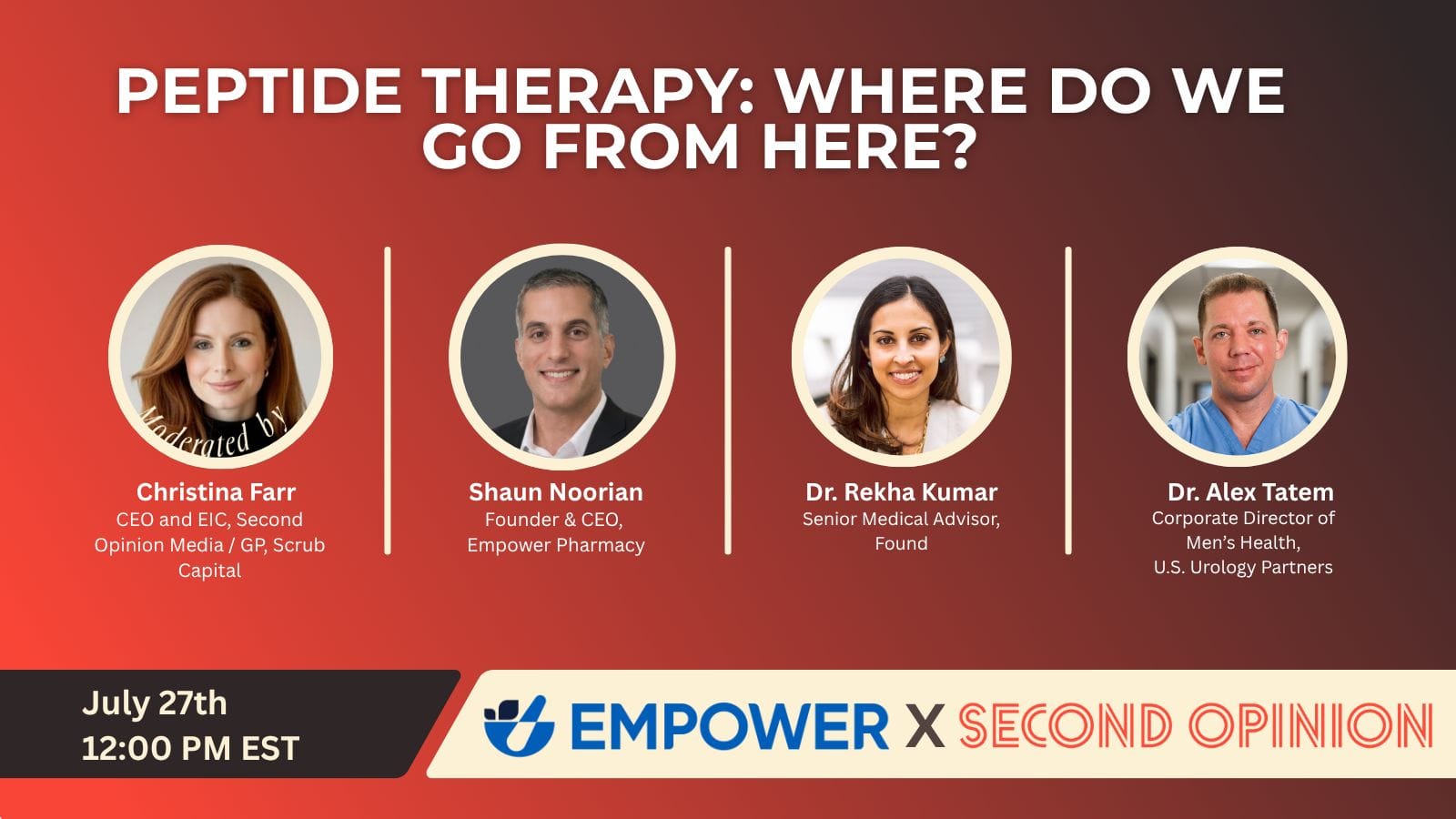
Peptide Therapy: Where Do We Go From Here?
Watch the full webinar Peptide therapies have moved from niche biohacking circles into mainstream medicine, reshaping conversations around weight management, metabolic health,

Not everyone can access the top 1% of physicians. Will AI change that?
Historically, top-tier medical expertise was limited by wealth and geography. As AI reshapes healthcare delivery, a vital question emerges: can it democratize intelligence to give everyone access to the caliber of care typically reserved for the top 1%?

Privacy AI and the Future of HIPAA
Watch the Full Webinar As AI reshapes healthcare and more patient data flows beyond traditional clinical settings, the rules governing privacy, access,