

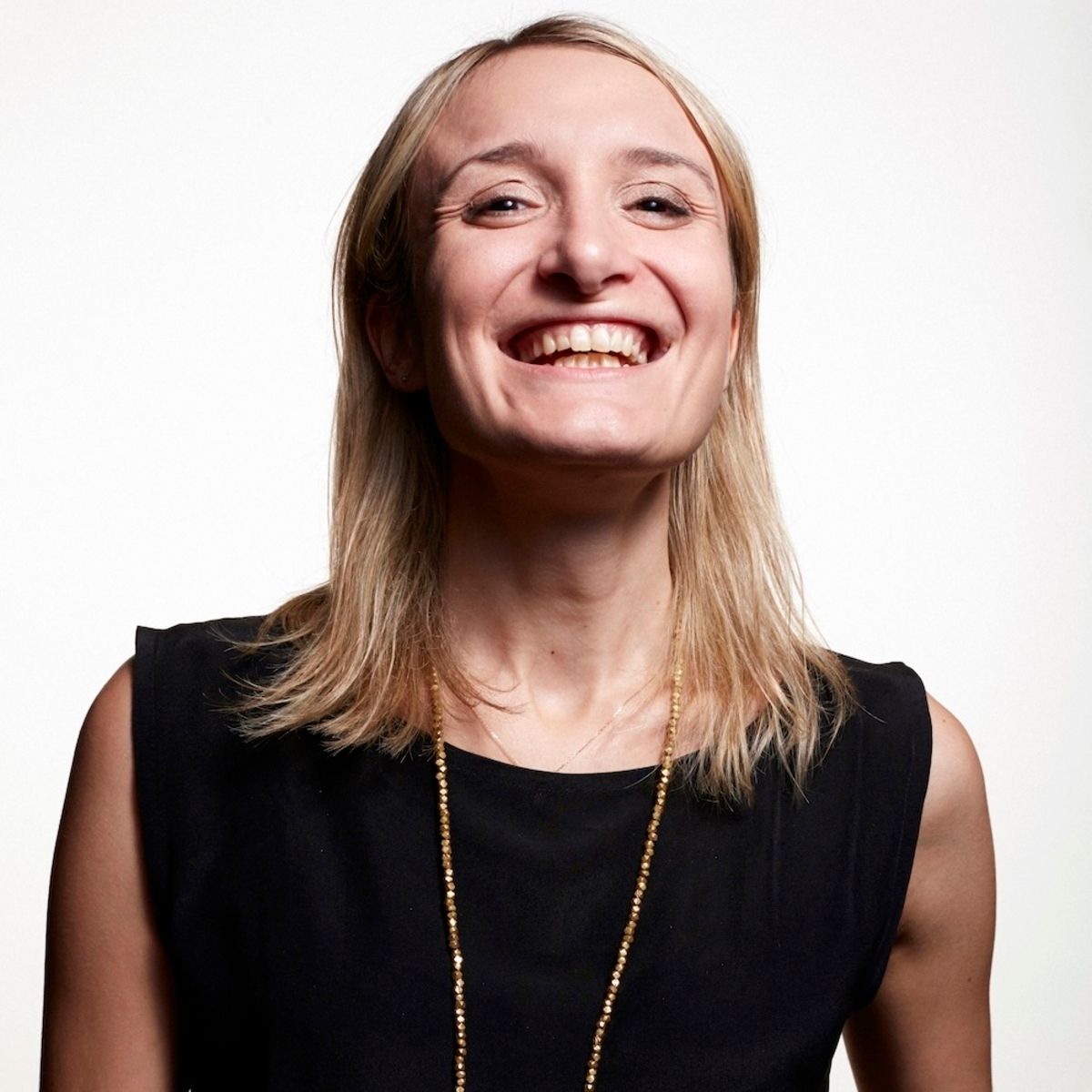
I’m writing to you on my return from Dallas, where I had the opportunity to speak with the revenue cycle conference HFMA about the potential for AI. I observed a full acceptance that this technology will be transformative, but many questions remained about the potential for a zero-sum outcome in this “war of the bots.”
Another hot topic that came up amongst the heads of revenue cycle and hospital CFOs: The role of labor and how teams will shift. Most of the executives I spoke to recognized that no human wants to do highly manual, highly task-based work. But hospitals also recognize that they are major employers, in some areas the largest in the region. They feel a responsibility to those people who dedicate their lives and careers to their employer.
One proposed idea is simply to let individuals retire and not rehire them. So teams shrink through attrition. Fair, but tough for junior talent. Another - and I found this particularly compelling - is the notion of reskilling. While it’s easier said than done, there are endless jobs to be done at hospitals that no one has time for. And while administrative teams might be getting larger, there’s still massive shortages on the care delivery side. A biller could be redeployed to support an aging senior getting dialysis in the home or in non-emergency medical transportation. All of this seems possible if we think ahead.
Bottom line: It’s time we all got smarter on how this technology will inevitably change our lives. Rather than resist it, those who get on board and get smart will have the most longevity in today’s shifting job market.
News of the week
Copilot Health: “Medical Superintelligence” in the making, or just a little rebranding?
The news: Microsoft (re) launched its Copilot Health app, which gives users the ability to collect all personal health data in one profile, importing it from a range of different services and devices. Think of your Oura data next to your HealthEx patient records and lab test results — all in one place.
What Microsoft said: This new app —which gives access to health sources and answers patient questions — “paves the way to introducing medical superintelligence - health AI that can ultimately combine the wide-ranging knowledge of a general physician, with the depth of a specialist.”
What critics say: Copilot Health is basically… Copilot for Health, which Microsoft launched last year, was eclipsed by Anthropic and OpenAI’s products. So it’s rebranding without “for” in “a desperate attempt to catch up.”
Physicians’ use of AI doubled since 2023
The news: More than 80% of physicians now use AI, according to a survey of 1,700 doctors conducted by the American Medical Association.
Take note: Note-taking and summarizing is the most common use of AI among doctors, and 40% of respondents say they use AI for research and summaries of standard of care (up from 26% in 2023).
Watch out: Although 70% of respondents say there is an opportunity in AI automatic administrative tasks that contribute to burnout but don’t want patients to use AI for clinical tasks, with younger physicians being especially concerned.
Applications are open for MAHA ELEVATE
The news: Applications are open to get funding for 30 models promoting health and prevention — what MAHA calls lifestyle medicine interventions — for Medicaid and Medicare patients. The Centers for Medicare and Medicaid Services are offering $100 million in funding, and a broad range of organisations, not just strictly healthcare, can apply.
What CMS said:
Watch Dr. Oz present the program while doing yoga.

What critics say: “In theory, MAHA ELEVATE is a good idea,” wrote Vishal Khetpal, a fellow in cardiovascular disease, in STAT Opinion earlier this year. The proposal has a language ambiguity problem that doesn’t allow to establish what counts as “functional medicine.” “This ambiguity, like much of the MAHA movement, effectively conflates health and wellness. It also foments potential pseudoscience and grift,” wrote Khetpal.
Deals and launches
Turquoise Health raised $40 million: The healthcare pricing and payment platform closed a Series C round led by Oak HC/FT.
Conduit raised $17 million: The company, which provides insurance-covered medical supplies for Medicaid and Medicare patients, closed a Series A round led by Drive Capital, bringing its total funding to $22 million.
Nitra raised $187 million: The operating platform for healthcare practices raised funds across Series A and Series B rounds, venture debt and a warehouse facility. So far, the company has raised $205 million in capital and $90 million in equity.
Arya raised $21 million: The AI-enabled sexual health platform secured growth rounds to scale its couples wellness platform.
Translucent raised $17 million: The AI-native healthcare finance startup closed a Series A led by Google Ventures.
Maven Clinics launches Maven Intelligence: The fertility and women’s health app is expanding into AI, offering a conversational tool that can guide users through their symptoms. The company is also now offering direct-to-consumer access to… of course: GLP-1, and hormone care.
Found is offering Zepbound KwikPen: The online platform will add the pre-filled injection to its offering of various formats of GLP-1 medications available.
Optimum partnered with Suki to tackle payment challenges, R1 partnered with Heidi to integrate clinical documentation and revenue operations, and Heidi launched Evidence, a clinical decision support tool. More here.
Four questions with Peter Lee, President of Microsoft Science, from Lake Nona Impact Forum
1) Second Opinion: You’ve told me in the past that nobody really believed that AI was coming for a while… it wasn’t in the public dialog back in 2019. How did it feel for you? You were collecting all this information and seeing pieces of all of it developing, but the world didn’t see it.
Peter Lee: OpenAI pivoted to focusing on these neural transformers with an attention mechanism. And they produced a very important early model called GPT-2. And it was impressive. And OpenAI for their part, felt they were seeing the future and in fact they went public with ‘something is happening here and it could change the world and it carries risk… and they hid the model weights.”
In the research community, it got ridiculed. Not one took it seriously. At Microsoft, mainly through the vision and understanding of Kevin Scott, we took it very seriously and made our first major investment in OpenAI. In 2019, you didn’t think of big boring startup or a startup like OpenAi. The first name that came to mind might be Google. So no one took us seriously. And that played out again with GPT-3. [OpenAI CEO] Sam Altman recommended via a blog post…independent audits and he wanted regulators to wake up. It had little or no impact. The hubbub around GPT-4 was very significant and a lot of leading intellectuals signed the Pause Letter. It was calling for the same things that Sam Altman and team called for for years. But it did something important because it got leading thinkers to wake up and start taking this technology very seriously. That’s been good for the world.